
August
Festivals
JANAI PURNIMA (3RD AUGUST 2020)
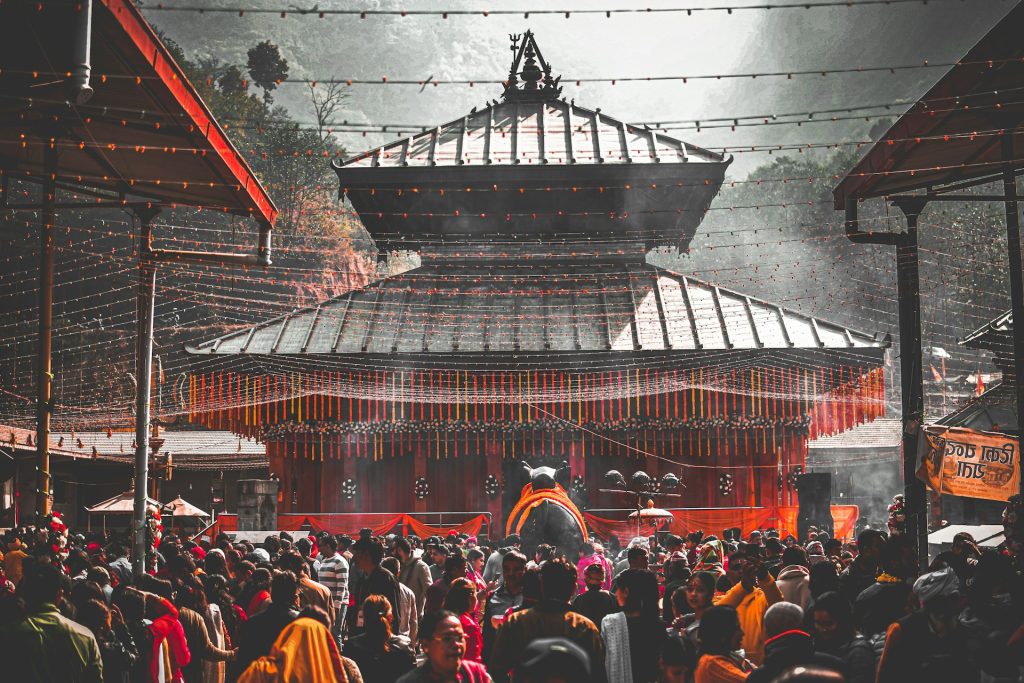
Every year, Janai Purnima is celebrated on the full moon day in the month of Shrawan. The ‘Taghadharis’, bearer of the holy thread called ‘Janai’ take a bath in the nearest river or pond early in the morning and change the Janai given by the priest.
Devotees also tie a sacred thread around their waist, which they believe purifies the soul and protects the body from evil. Many Hindus across the country flock to Gosaikunda (Holy Lake), in Rasuwa district, to participate in an annual fair. Many shamans of the valley and around Nepal gather to perform their ancient rites in places like Kirateshwor in Patan, Gosaikunda in Rasuwa and Charikot in Dolakha. International visitors trained by Nepali Shamans also make a visit to these sites on this special occasion. In the valley and southern plains, Nepalis also celebrate ‘Raksha Bandhan’ a festival to celebrate the bond of love and affection between brothers and sisters.
On this day, especially among the Newar community, they prepare special nine-bean soup, traditionally called ‘Kwati’, and enjoy it as a part of their meal. The soup, according to the Newar people, provides warmth to the farmers, who spent the monsoon summer shin-deep in muddy water, planting crops in the field.
GAI JATRA (4TH AUGUST 2020)
Gai Jatra, also known as the festival of cows, is one of the most important festivals in Nepal. It often falls in Nepali month of Shrawan/Bhadra (July or August) and is held for eight days. Gai Jatra is mainly celebrated by the Newar communities in different parts of Nepal to commemorate the dead in the last year. However, different from any other memorial ceremony in the world, Nepali Gai Jatra is celebrated as a happy carnival. During this festival you will have the chance to experience Nepali traditional singing, stick dancing and unique comedy.
According to history, back in the 17th century, King Pratap Malla lost his young son. The queen was immersed in great misery and cried all day long. In order to cheer up the queen, the king started this festival. The folks dressed in colorful costumes and decorated cows symbolized the dead in the last year. The king just wanted to make sure that the queen is not only the one to lose their loved ones and wanted to be aware that the death is a natural phenomenon. The cow procession, drum music, masked dances became the tradition of this festival which had made the queen smile and accept the loss of her son.
According to the ancient legend of Hinduism, Yama, the god of death, would send black cows to guard the entrance to heaven. Just outside the gate, hundreds of thousands of souls are waiting to accept Yama’s judgment and their reincarnation totally depends on the merits they have earned. In mythology, the road to heaven is extremely difficult and the deceased still needs to go across the burning river. Most Nepalese believe that if their lost ones could catch the tails of cows, the journey would be much easier. The gate to heaven is open for only a day in a year. Therefore, each family who had lost their loved ones must participate in this grand cow procession in Kathmandu valley.
On this special day, local Newars give a bath to the cow. Then the cows are decorated with red ‘Tika’ and beautiful garlands. After those rituals, the cow procession begins to parade around the Kathmandu valley. If the cows are not available, young boys show up as the cows and pray for the dead ones. During this boisterous march, they will deliberately walk through the temples, the statues of the gods and other sacred places. People offer food, gifts and some cash to the cows and those young boys thinking they will have good luck in the following days. Older people indulge in their own worlds and chant religious hymns vigorously. The festival is celebrated with musical instruments like traditional drums and western trumpets. With the drums beating and cymbals clashing, Gai Jatra reaches its climax.
KRISHNA ASHTAMI (11TH AUGUST 2020)
Krishna Ashtami, the birthday of Lord Krishna is celebrated with great devotion and enthusiasm in Nepal in the month of July or August. According to the Hindu calendar, this religious festival is celebrated in the Ashtami of Krishna Pakshya or the 8th day of the dark fortnight.
Sri Krishna is considered as one of the most powerful human reincarnations of Lord Vishnu. He was born around 5200 years ago in Mathura, India. He played an important role in Mahabharata and propagated the theory of ‘Bhakti’ and good ‘Karma’ which are narrated deeply in the ‘Bhagwat Geeta’.
The actual celebrations of Janmashtami takes place during the midnight as Sri Krishna is believed to be born on a dark, stormy and windy night to end the rule and violence of his uncle ‘Kansa’. All over Nepal, this day is celebrated with devotional songs and dances, pujas, aaratis, blowing of Conch and rocking the cradle of baby Sri Krishna.
The Krishna mandir (temple) of Patan Durbar Square, Kathmandu is the center of celebration where thousands of people gather to celebrate the auspicious day. Euphoric prayers and chants fill the air, and small oil lamps are lit as a mark of felicitation and devotion to the god.
KUSHE AUNSI (19TH AUGUST 2020)
Hindu people celebrate Kushe Aunsi by bringing ‘kush’, a holy grass, into their houses. There is a religious belief that keeping kush cut by the priests brings well-being to the family members.
The Hindu community regards Kush, basil plant, peepal and Shaligram as the symbol of Lord Vishnu. Kushe Aunsi is also known as Gokarna Aunsi in which people offer delicacies to their fathers and receive blessings from them. Those whose father had already died go to nearby Shiva/Vishnu temple and perform Shraddha. Devotees throng Gokarneshwor of Kathmandu, Betrawati of Rasuwa and Bishnupaduka of Dharan during this festival.
HARITALIKA TEEJ (21ST AUGUST 2020)
Teej is the biggest Hindu festival of Nepalese women, which is celebrated all over Nepal. The festival generally falls in August and sometimes in early September. This festival is mainly dedicated to goddess Parvati, wife of Lord Shiva. During this Teej festival in Nepal, married women take fast for the long and healthy life of their husbands as well as pray for prosperity. On the same occasion unmarried girls take fast to get a good husband in the future. During this festival women and girls are dressed in red ‘Sarees’ with gold ornaments from head to toe. This day is also marked as the union of Shiva and Parvati and people celebrate with full dedication in Pashupatinath temple and other Shiva temples.
On this special occasion, people invite their married daughters to their home to celebrate the festival together. It is also an opportunity for women to visit their parents. Teej is celebrated for three days which are a feast day, fasting day and Rishi Panchami.
On the first day (Dar Khane Din) women gather together in their homes wearing beautiful red clothes and singing folk songs, dancing and eating special food called ‘Dar’.
The second day is the main Teej festival day. Women spend the whole day without taking any food and sometimes water as well. At the end of the day they eat some fresh fruits and ‘Kada Pani’ (crystalized water). ‘Chaturthi’ is the gap between Teej and Rishi Panchami. On this day women take bath with mud and water and brush their teeth with ‘Datiwan’ (branch of bush tree) hoping this purifies their body and soul, and finally worshiping goddess Parvati.
On the last day of Teej (Rishi Panchami), they again take a bath with red mud and water; brush their teeth with Datiwan by going to the nearest river. After the holy bath, they offer food, money and gifts to the seven ‘Rishis’ (saints) of Hindu pantheon with a pure soul. They use basil and Bel (Aegle Marmelos) to worship during the Puja. Once the rituals are completed all the women return to their normal life.
Events
PANCH POKHARI TRAIL RACE (7th AUGUST)
Panch Pokhari Trail race is organized for the first time in Nepal in 2017 on Nepali cultural and religious day of Janai Purnima. The race is a 24 km half marathon race from Panch Pokhari to Thangpal Raithanepokhari of Sindhupalchowk district and takes you along Nosyampati, Tanukharka, and Bhotang.
Panch Pokhari is not only naturally beautiful but also the ninth highest altitude wetland in the world. Every year around ten thousand people visit the place.
The Panch Pokhari Trail Race is a one day event held every year and approximately 300 participants from Nepal and outside world are expected to join this enjoyable and adventurous event. All the participants will hold a unique chest number and the winners from 1st to 50th in both male and female categories will receive cash prize and certificates.